Best garage door insulation options for Farmington Hills homes
Discover effective garage door insulation options for Farmington Hills homes to improve energy efficiency and comfort.
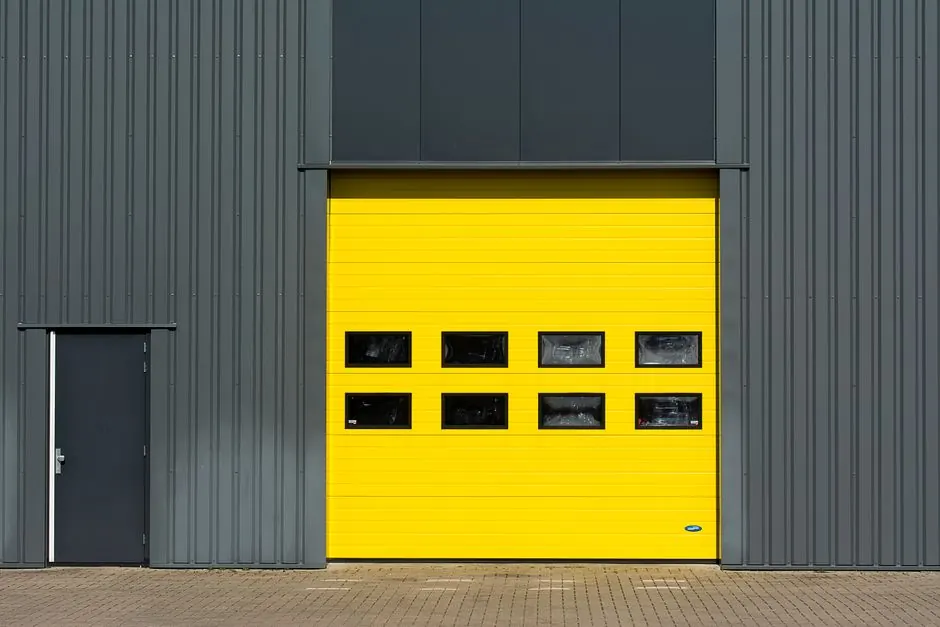
Garage door insulation options can significantly enhance energy efficiency and comfort in Farmington Hills homes. Insulating your garage door helps regulate temperature and can lead to lower energy bills. This article explores the various insulation options available, their benefits, and how to select the best one for your home.
Garage door insulation is a method that involves adding materials to your garage door to minimize heat transfer. This is particularly important in climates like Farmington Hills, where temperature fluctuations can be significant throughout the year.
Why insulate your garage door?
Insulating your garage door offers several benefits, especially for homeowners in Farmington Hills. First, it improves energy efficiency by reducing heat loss during winter and keeping the garage cooler in summer. This can lead to savings on heating and cooling costs, making it a smart investment.
Moreover, insulation can enhance the overall comfort of your home. If your garage is attached, a well-insulated door can prevent cold drafts from entering your living space. Additionally, it can reduce noise from outside, creating a quieter environment.
Types of garage door insulation
There are three primary types of garage door insulation: reflective, batt, and foam board.
- Reflective insulation is made of foil or reflective materials that reflect heat away in summer and keep it in during winter. This type is especially effective in climates with extreme temperatures.
- Batt insulation consists of fiberglass or mineral wool panels that fit between the door's panels. This type provides excellent thermal resistance and is commonly used in residential garages.
- Foam board insulation is rigid and offers high insulation value. It can be installed on the interior of the garage door or between the panels, providing a solid barrier against temperature changes.
Choosing the right type depends on your specific needs and the climate in Farmington Hills.
How to choose the right insulation
When selecting insulation for your garage door, consider factors such as R-value, cost, and installation method. The R-value measures the insulation's effectiveness; higher values indicate better thermal performance. For Farmington Hills, an R-value of at least 10 is recommended for optimal energy efficiency.
Cost is another important factor. In 2026, homeowners can expect to pay between $300 and $800 for garage door insulation, depending on the type and size of the door. Installation costs may add another $100 to $300 if you hire a professional.
Finally, consider whether you want to install the insulation yourself or hire a professional. Some insulation types, like batt insulation, can be a DIY project, while others may require professional installation for best results. If you need assistance, Garage door Experts Farmington Hills offers garage door insulation services tailored to your needs.
Common mistakes when insulating
Many homeowners make mistakes during the insulation process that can negate the benefits. Here are a few common errors to avoid:
- Not sealing gaps: Ensure all gaps around the door are sealed to prevent drafts.
- Choosing the wrong insulation type: Select insulation that suits your climate and door type.
- Ignoring garage door maintenance: A well-maintained door will work better with insulation.
By avoiding these pitfalls, you can maximize the effectiveness of your garage door insulation.
When to call a professional
While some insulation projects can be DIY, there are times when professional help is advisable. If you're unsure about the best insulation type for your garage door or if your door requires repairs, it's best to consult with experts. Garage door Experts Farmington Hills can provide guidance and professional installation to ensure your insulation is effective.
Frequently Asked Questions
1. What is the cost of garage door insulation in Farmington Hills? The typical cost ranges from $300 to $800 for materials, plus installation fees if you hire a professional.
2. How long does garage door insulation last? Quality insulation can last between 15 to 20 years, depending on environmental factors and maintenance.
3. Can I insulate my garage door myself? Yes, many homeowners can install batt or reflective insulation themselves, but foam board may require professional help.
4. Will insulation make my garage door heavier? Yes, adding insulation can increase the weight of the door, which may require adjustments to the garage door opener.
5. How can I improve my garage's energy efficiency? In addition to insulating your door, consider sealing cracks, adding weather stripping, and ensuring proper ventilation.